
Can The Police Search Your Vehicle During A Traffic Stop In Illinois?
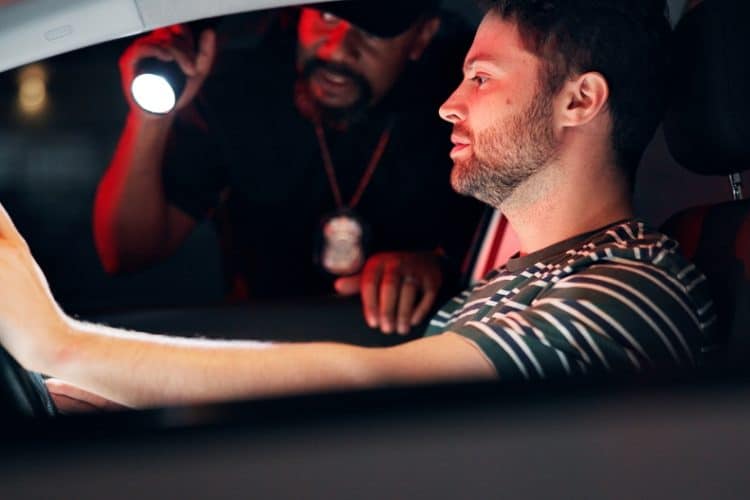
Getting pulled over in Illinois can be stressful, especially if a police officer asks to search your car. Many drivers are unsure if they have to agree, if the officer needs a warrant, or if saying no will make things worse. We often talk to people who were stopped for a traffic issue and later faced criminal charges because of something found during a search.
Illinois search and seizure laws depend on many details. This includes, why you were stopped, what the officer saw, what you said, if you gave consent, and if the police had probable cause. At Franks & Kelly, P.C., we help clients understand their rights and make informed choices if a traffic stop leads to a search, arrest, or criminal charge.
When A Traffic Stop Can Become A Vehicle Search
Police can stop a vehicle if they have a legal reason to believe a traffic violation or crime happened. Being pulled over for speeding, improper lane use, expired registration, equipment problems, or another traffic issue does not automatically let police search your whole car. The purpose of a traffic stop is limited, and what the officer can do depends on what happens during the stop.
A lawful stop can lead to a search in several ways. Police may ask for consent. They may claim they saw contraband in plain view. Law Enforcement may believe they have probable cause based on odor, admissions, visible items, or other facts. Police may also search after an arrest in limited circumstances or conduct an inventory search if the vehicle is lawfully impounded. Each category has different legal requirements, and each can be challenged if the officer went beyond what the law allows.
Consent Searches During Illinois Traffic Stops
One of the most common ways police search a vehicle is by asking the driver for permission. You might hear questions like “Do you mind if I take a look?” or “Is there anything illegal in the car?” If you agree, police can search as much as you allowed. This can have serious consequences because giving consent may let police search even if they did not have probable cause. However, the driver should remain calm and avoid physically interfering.
Illinois law makes it a crime to knowingly resist arrest or obstruct the performance of a peace officer’s authorized act under 720 ILCS 5/31-1. The safest approach is usually to clearly state that you do not consent, while still complying with lawful commands.
Consent can be a tricky issue. Prosecutors might say the driver agreed freely, while the defense might argue the driver was pressured, confused, held too long, or never clearly agreed. Videos from body cameras or squad cars, police reports, and witness statements can all be important.
Probable Cause And The Automobile Exception
Police do not always need a warrant to search your car. The law allows police to search a vehicle without a warrant if they have probable cause to think there is evidence of a crime or something illegal inside. Probable cause means more than just a guess. It must be based on specific facts the officer knows at the time. Probable cause claims may involve visible drugs, open alcohol, a firearm, drug paraphernalia, admissions by the driver or passenger, the smell of contraband, or facts connected to a suspected DUI or drug offense. If probable cause exists, the search may extend to areas of the vehicle where the suspected evidence could reasonably be found.
Probable cause is often a key issue in vehicle search cases. If police did not have probable cause and no other exception applies, the defense can try to get the evidence thrown out. If the court agrees, it can have a big impact on the prosecution’s case.
Cannabis Odor And Illinois Vehicle Searches
Cannabis law has changed the way Illinois courts evaluate vehicle searches. Adult-use cannabis may be legal in some circumstances, but Illinois law still restricts cannabis in vehicles. Under 625 ILCS 5/11-502.15, a driver may not use cannabis in the passenger area of a motor vehicle on a highway, and drivers and passengers may not possess cannabis in a vehicle except in a secured, sealed or resealable, odor-proof, child-resistant container that is inaccessible. A knowing violation is a Class A misdemeanor.
Recent Illinois Supreme Court decisions have drawn an important distinction between burnt cannabis odor and raw cannabis odor. In People v. Redmond, the Illinois Supreme Court held that the odor of burnt cannabis alone did not provide probable cause for a warrantless vehicle search. In People v. Molina, the Court held that the odor of raw cannabis alone can provide probable cause to search a vehicle, based on the relationship between raw cannabis odor and current possession in the vehicle.
These cases show that details are important. The officer’s description of the smell whether it was burnt or raw cannabis, whether cannabis was visible, whether containers were sealed, whether the driver seemed impaired, and other facts about possible illegal possession can all affect whether the search was legal.
DUI Stops And Searches Of The Vehicle
A DUI investigation may also lead to a vehicle search. Illinois DUI law under 625 ILCS 5/11-501 prohibits driving or being in actual physical control of a vehicle while under the influence of alcohol, drugs, intoxicating compounds, or a combination of substances, and also includes alcohol concentration and drug-related provisions.
During a DUI stop, police may ask you questions, request field sobriety tests, look for open alcohol or cannabis, and watch your speech, balance, eyes, and behavior. But a DUI investigation does not automatically let police search your whole car. They still need a legal basis, such as probable cause, your consent, something in plain view, a lawful search after arrest, or another permitted exception.
If police find alcohol, cannabis, pills, firearms, or other evidence during a DUI-related search, the legality of the search may become just as important as the DUI allegations themselves. We examine whether the stop was lawful, whether the detention lasted too long, whether police expanded the stop without justification, and whether any search complied with Illinois and constitutional standards.
Searches After Arrest And Inventory Searches
If a driver is arrested, police can do certain searches related to the arrest, but there are limits. A search after an arrest does not mean police can search every part of the car in every case. Courts check if the search was for officer safety, to preserve evidence, or for another legal reason.
Police can also do an inventory search if your car is legally impounded. This type of search is meant to list what is in the car, protect your belongings, protect the police from false claims, and find dangerous items. It should not be used as an excuse to look for evidence. If the impoundment was not proper or the police did not follow the rules, you may be able to challenge the search.
What Happens If The Search Was Illegal?
If police found evidence during an unlawful vehicle search, the defense may file a motion to suppress. A suppression motion asks the court to exclude evidence obtained in violation of search-and-seizure protections. If the court grants the motion, the prosecution may lose key evidence needed to prove the charge.
This can matter in many cases, including drug possession, unlawful weapon possession, DUI, cannabis-related offenses, open alcohol allegations, and cases involving alleged contraband found in a glove box, console, trunk, backpack, purse, or container. Suppression issues are fact-specific. We look closely at the stop, the officer’s stated reasons for the search, the timeline, the video evidence, the police reports, and the exact location where evidence was found.
FAQs About Vehicle Searches During Illinois Traffic Stops
Can I Say No If Police Ask To Search My Car In Illinois?
Yes. In many situations, you may clearly state that you do not consent to a search of your vehicle. Refusing consent does not automatically give police probable cause. However, refusing consent does not always stop the search. If police believe they have probable cause or another lawful basis, they may search anyway. The key is to remain calm, avoid physical resistance, and make your position clear.
A practical statement may be, “I do not consent to any searches.” You should not argue on the roadside, grab the officer, block the search, or make sudden movements. If the police search anyway, the legality of the search can be challenged later in court. Body camera footage and the officer’s explanation may become important evidence.
Do Police Need A Warrant To Search A Vehicle During A Traffic Stop?
Not always. Vehicles are treated differently from homes because they are mobile and are subject to several search exceptions. Police may search without a warrant if they have valid consent, probable cause, plain view evidence, a lawful inventory search, or another recognized exception. That does not mean every vehicle search is lawful.
The prosecution may need to justify why the search was allowed without a warrant. If the officer only had a traffic violation and no added facts supporting a search, the search may be vulnerable to challenge. We review whether the officer had a lawful basis at the exact time the search occurred.
Can The Smell Of Cannabis Justify A Vehicle Search In Illinois?
It depends on the claimed odor and the surrounding facts. Illinois courts now distinguish between burnt cannabis and raw cannabis. The Illinois Supreme Court has held that burnt cannabis odor alone does not justify a warrantless vehicle search, while raw cannabis odor alone may provide probable cause.
This distinction matters because adult-use cannabis is legal in Illinois under certain conditions, but possession in a vehicle is restricted. Under 625 ILCS 5/11-502.15, cannabis in a vehicle must be in a secured, sealed, or resealable, odor-proof, child-resistant container that is inaccessible. The officer’s words, video evidence, and actual facts may affect whether the search can be challenged.
Can Police Search My Trunk Or Glove Box?
Police may search areas of the vehicle where the suspected evidence could reasonably be located if they have probable cause. For example, if police have probable cause to believe the vehicle contains drugs, they may try to search compartments or containers where drugs could fit. If the only basis is a limited safety concern or a narrow consent statement, the permissible scope may be smaller.
The location of the search is important. A search of a glove box, center console, trunk, backpack, purse, or closed container may raise different legal issues. We examine what police claimed they were looking for, why they believed it would be found there, and whether the search exceeded the lawful scope.
Can Police Order Me Out Of The Vehicle During A Stop?
Police may often order a driver out of the vehicle during a lawful traffic stop for officer safety reasons. That command is different from consent to search. Stepping out of the vehicle does not mean you have agreed to a search of the car.
Drivers should comply with lawful commands and avoid conduct that could be viewed as obstruction. Under 720 ILCS 5/31-1, resisting or obstructing a peace officer performing an authorized act can lead to criminal charges. You can comply physically while still stating that you do not consent to a search.
What If Police Found Drugs Or A Gun During The Search?
If police found drugs, a firearm, ammunition, cannabis, pills, or other alleged contraband, the first legal question may be whether the stop and search were lawful. The second question may be whether the prosecution can prove possession. Possession may be actual or constructive, and constructive possession often depends on knowledge and control.
A vehicle may contain multiple people, shared property, borrowed items, or containers that are not possessed by the driver. Ownership of the items is not the issue; the driver’s possession and driver’s knowledge of the presence of the item in the driver’s car may be problematic. The mere presence of an item in a vehicle, however, does not automatically prove that every occupant possessed it. Search issues and possession issues should both be reviewed.
Can An Illegal Search Lead To Dismissal Of The Case?
An illegal search can sometimes lead to the suppression of evidence. If key evidence is suppressed, the prosecution may have difficulty proving the charge. In some cases, that can lead to dismissal, reduction, or a better negotiating position. In other cases, the prosecution may still have other evidence.
The outcome depends on the charge, the evidence, the court’s ruling, and the facts of the stop. A suppression motion must be prepared carefully. We look for inconsistencies between police reports and video, gaps in probable cause, improper consent claims, prolonged detention, and searches that exceeded the lawful scope.
Should I Talk To Police About What Is In The Vehicle?
You should be careful about making statements during a traffic vstop. What may feel like a harmless explanation can become evidence. Police may ask who owns an item, whether there is anything illegal in the vehicle, where you are coming from, or whether you knew something was inside the car.
You generally have the right to remain silent. You should provide required identification and documents, but you do not need to explain or admit facts that could be used against you. If you are charged after a vehicle search, speak with an attorney before making additional statements.
Contact Our Criminal Defense Attorney For A Free Consultation
If police searched your vehicle during a traffic stop in Illinois, David Franks of Franks & Kelly, P.C., Attorneys at Law, can help you understand your rights and legal options. Our office is located in Lake in the Hills, with a primary focus on serving clients in McHenry County. We also regularly represent clients throughout Lake County and Kane County. Our Attorneys work closely with clients, provide tailored legal services for complex legal matters, and help clients make informed decisions throughout the legal process.
David Franks of Franks & Kelly, P.C., Attorneys at Law, has been recognized by his peers as a “Super Lawyer” in criminal defense since 2023, has been recognized by Martindale-Hubbell with an “AV-Preeminent” peer review rating, and has earned a perfect 10.0 Avvo rating.
To discuss a traffic stop, vehicle search, DUI investigation, drug charge, weapons allegation, or related criminal matter, contact the criminal defense attorneys at Franks & Kelly, P.C., Attorneys at Law, by calling 847-854-7700 to schedule a confidential consultation.